
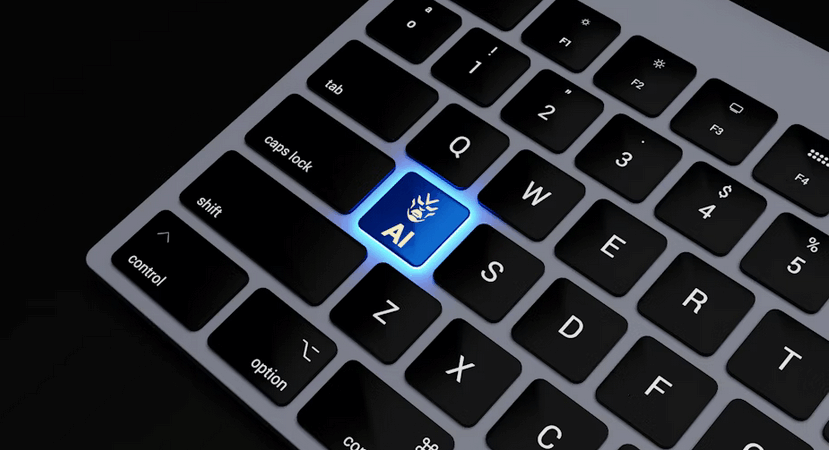
Artificial intelligence is often seen as purely logical, but emotion and belief are beginning to play a bigger role in how it develops. As AI systems learn to recognize human feelings and interpret values, the gap between data and intuition continues to close. The story of joan of arc miracles highlights how powerful belief can be in driving change, a lesson that mirrors AI’s evolving capacity to understand human intent. By combining emotional awareness with analytical strength, the future of AI may bring technology that feels more human, capable of reasoning with empathy and purpose.
The Role of Emotion in AI Development
Emotion is often viewed as a human trait that exists in contrast to machine rationality, but that perception is rapidly changing. Emotional intelligence in AI involves programming systems to recognize and respond to human feelings through tone, language, and facial expressions. This ability allows AI to connect with users more naturally, whether in customer service, healthcare, or personal assistance. For example, AI tools that detect frustration in a user’s voice can adjust their responses to appear more empathetic and supportive. Integrating emotional understanding not only enhances user experience but also builds trust, creating a more seamless relationship between humans and technology.
Belief Systems and Human Bias in AI
Belief, though intangible, has a powerful influence on human thought and behavior. It shapes the way people perceive information, make decisions, and form opinions. As AI systems learn from human data, they inevitably absorb patterns that reflect these beliefs and biases. This raises complex ethical questions about fairness and representation in AI models. Developers are increasingly working to design algorithms that can identify and correct biases, but understanding belief systems also means appreciating their cultural and emotional depth. Incorporating awareness of belief into AI may help machines interpret human intentions with greater nuance, leading to fairer and more human-centered outcomes.
Emotional AI and Decision-Making
AI’s ability to analyze data is unmatched, yet emotion often drives the final decision in human interactions. Emotional AI seeks to bridge this gap by blending data-driven logic with emotional context. In fields such as mental health care or education, emotionally aware AI can detect distress, offer encouragement, or tailor communication to suit the individual’s emotional state. This approach moves beyond pure logic to create interactions that feel more personal and supportive. The future of decision-making may depend on how well AI can understand when to prioritize empathy over efficiency, particularly in situations that require compassion and emotional sensitivity.
The Ethical Challenges of Emotional Intelligence in Machines
The introduction of emotion and belief into AI brings significant ethical concerns. When machines can simulate empathy or influence emotions, it becomes crucial to define boundaries between genuine support and manipulation. There is also the question of consent—how much emotional data should people be comfortable sharing with intelligent systems? Developers must balance technological innovation with moral responsibility, ensuring that emotional AI serves humanity rather than exploiting vulnerabilities. Establishing clear ethical frameworks will be essential to maintaining public trust as AI becomes more emotionally aware and socially integrated.
The Future of Human-AI Interaction
The future of AI lies not just in computational power but in emotional understanding. Machines capable of interpreting human emotion and belief will transform how people communicate with technology. They will not only perform tasks but also understand the motivations behind them. As AI continues to evolve, it may become a mirror reflecting human emotion, guiding us to better understand ourselves. The intersection of logic, emotion, and belief represents the next great step in artificial intelligence—one that could make technology both more powerful and more human.…