Modern mission-driven teams don’t need “fancy tech.” They need tech that stays out of the way and still delivers. Think fewer fire drills, fewer mystery outages, and fewer “Who changed the password?” moments. If you want a practical starting point, IT Services for Nonprofit Associations can help set up the better IT environment for your organization. It’s a solid reference for what support can look like when budgets are real and stakes are high. Because for nonprofits, downtime isn’t just annoying. It can mean missed donors, missed services, and missed trust. So let’s take a closer look at how modern IT services help nonprofit organizations.
IT That Works Like a Product

Good IT today feels like a well-built gadget. You don’t think about it until it’s missing. Your email works. Your files sync. The printer behaves, which is basically a miracle. The goal is boring reliability. That reliability comes from standard systems and clear ownership. Centralized identity, consistent device setup, and a clean inventory list. No “Frank’s laptop is the server” energy. If your org can onboard a new hire in one hour, you’re in the right zone. If it takes three days and a prayer, you’re paying a hidden tax.
Cloud First, But With Common Sense
Cloud tools are the default now, and for good reason. Staff work from home, from events, from airports, from wherever the mission takes them. Files need to be available, and collaboration needs to be fast. Nobody wants a VPN that breaks every Tuesday. Still, “cloud” isn’t a magic spell. You need permissions that match roles, and shared drives that don’t turn into junk drawers. You also need a plan for data retention and access when someone leaves. The cloud gives flexibility, but messy access control can turn it into a liability. Clean structure keeps it sharp.
Security That’s Real, Not Scary
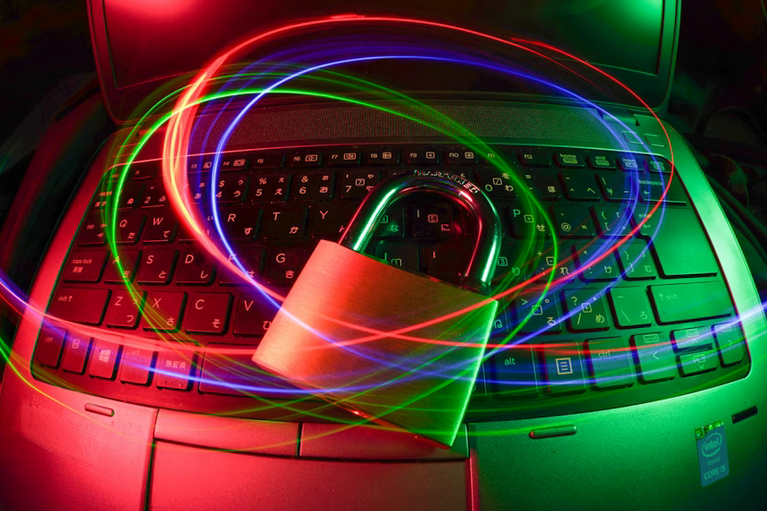
Security is often pitched like a horror movie trailer. Dark music, ominous numbers, a hacker in a hoodie. In real life, modern security is mostly habits plus guardrails. Multi-factor authentication, device encryption, and backups that actually restore. Simple stuff, done consistently. Nonprofits get targeted because attackers assume weaker defenses. That’s rude, but it’s also reality. The fix is to reduce easy wins. Lock down admin access, set up alerting, and train staff on basic phishing patterns.
What to Prioritize If the Budget Is Tight
If money is limited, prioritize the items that prevent disasters. Identity and access management first, then backups, then endpoint protection. After that, focus on standardizing devices and software. Standardization reduces support costs and cuts chaos. Chaos is expensive. Next, set a simple roadmap for the next 12 months. Replace the oldest devices, document core systems, and build a basic incident plan. Keep it short enough that people will actually read it. Modern IT isn’t about shiny toys. It’s about keeping the mission running, even on the messy days.
Support That Feels Like an Extension of Your Team

The best IT support is invisible until you need it. Then it shows up fast, fixes the problem, and explains it in plain English. No jargon soup. No condescending tone. Just “Here’s what happened, here’s what we changed, and here’s how we stop it next time.” This matters more for mission-driven orgs because time is always tight. Staff wear five hats, and IT shouldn’t be a sixth. A good provider also plans ahead. They track recurring issues, refresh devices on a schedule, and keep software updated. That planning prevents the “everything breaks at once” spiral.…


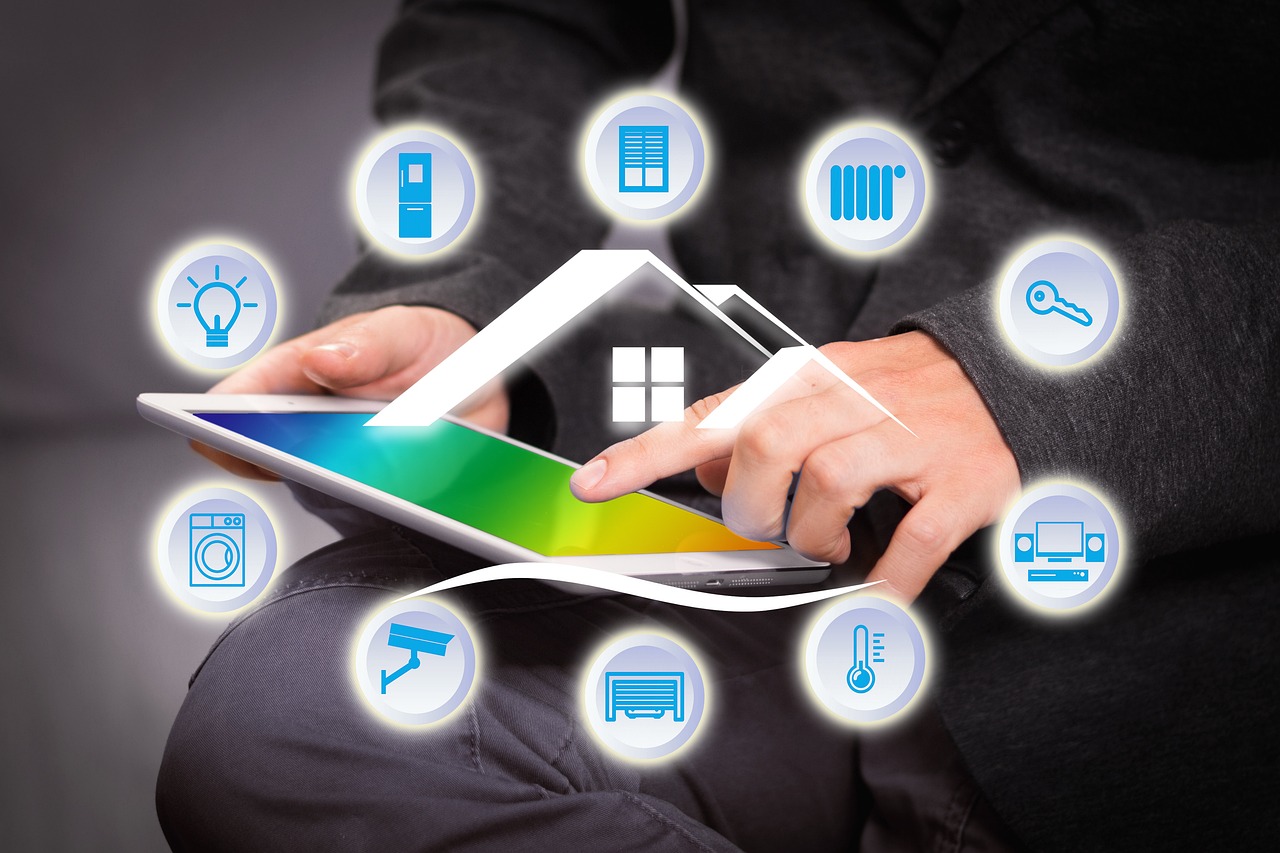




 Efficient data transfers are the backbone of any successful cloud migration. To achieve this, organizations must first assess their current infrastructure. Identifying bottlenecks within your network can reveal hidden inefficiencies. Investing in high-speed connections is crucial. This ensures that large volumes of data move swiftly without interruptions. Additionally, employing advanced compression techniques can significantly reduce transfer times by minimizing file sizes.
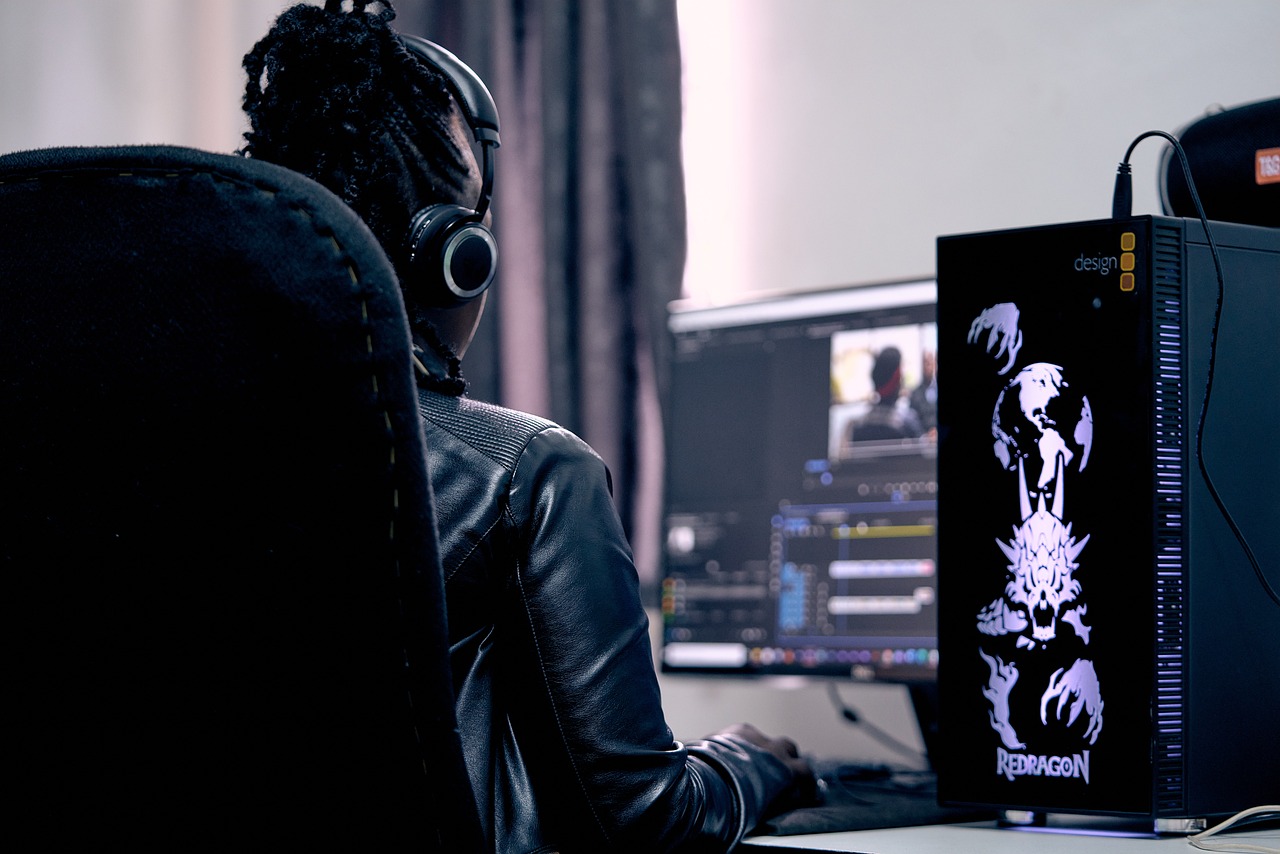
 Video tutorials and demonstrations are an effective way for roofing contractors to highlight their expertise. By creating step-by-step guides on everyday roofing maintenance tasks or explaining the installation process, contractors can position themselves as industry experts. For instance, a video showing how to identify signs of roof damage or explaining the benefits of specific materials like asphalt shingles or metal roofing can educate viewers while subtly promoting the contractor’s services.
 Optimizing videos for search engines is essential to maximize the reach of video marketing efforts. Adding relevant keywords in video titles, descriptions, and tags ensures potential clients can easily find the content when searching for roofing services online. Including subtitles or transcripts improves accessibility and boosts search engine rankings. Additionally, embedding videos on the company website, especially on service pages or blogs, can enhance the site’s SEO performance while keeping visitors engaged.







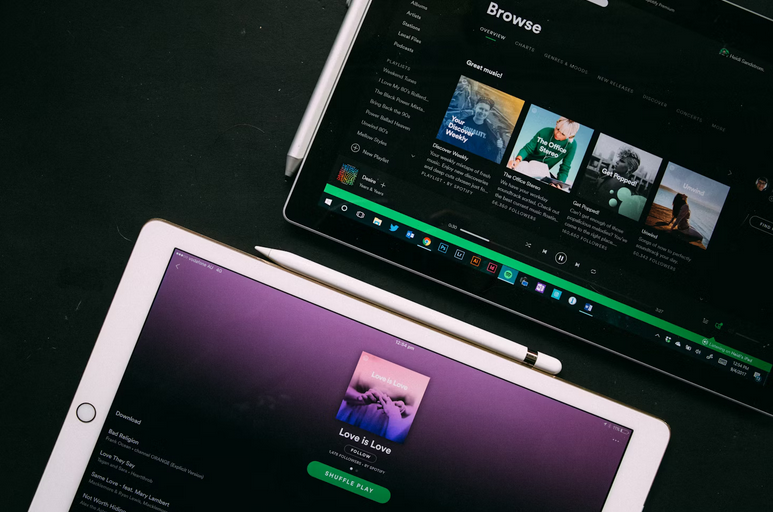































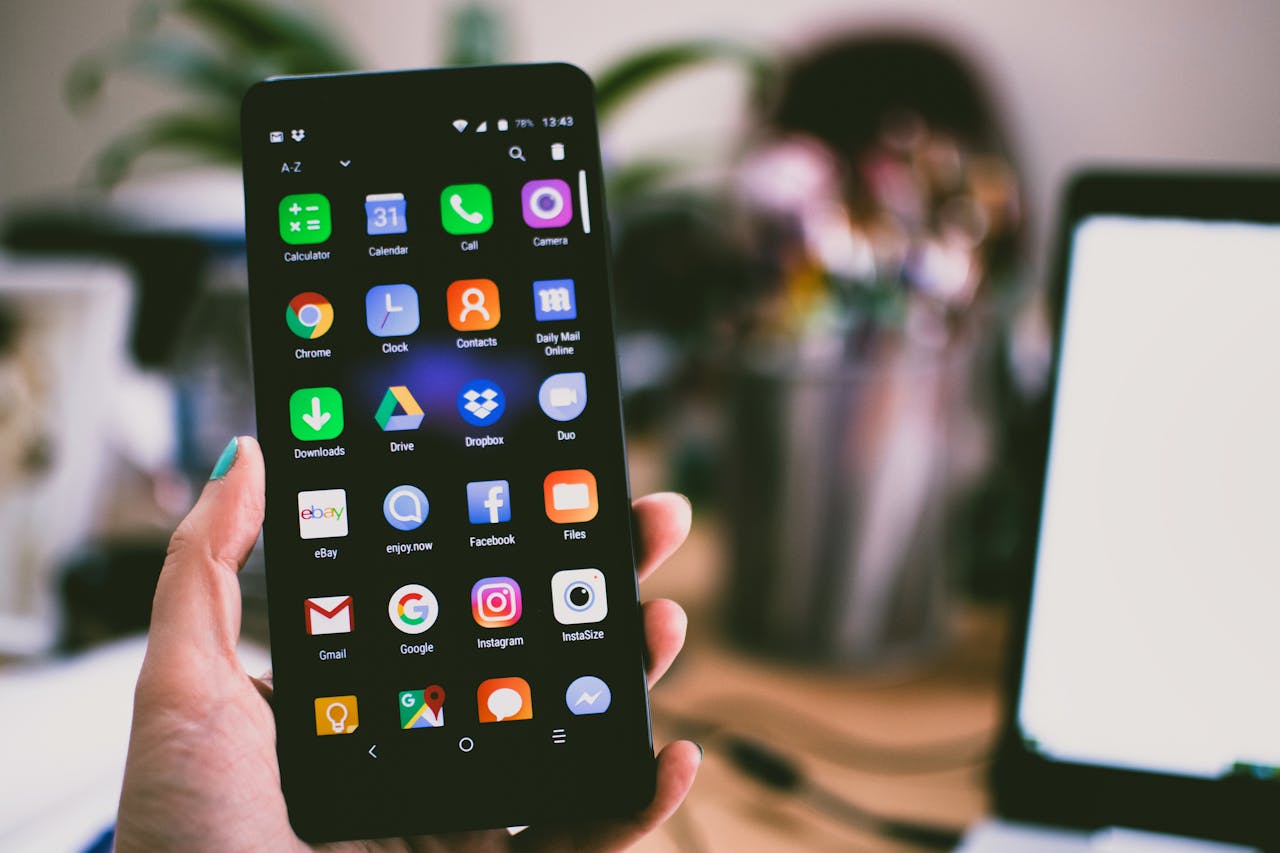

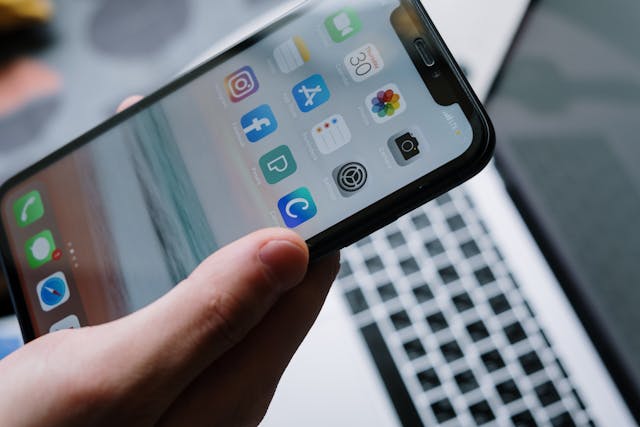



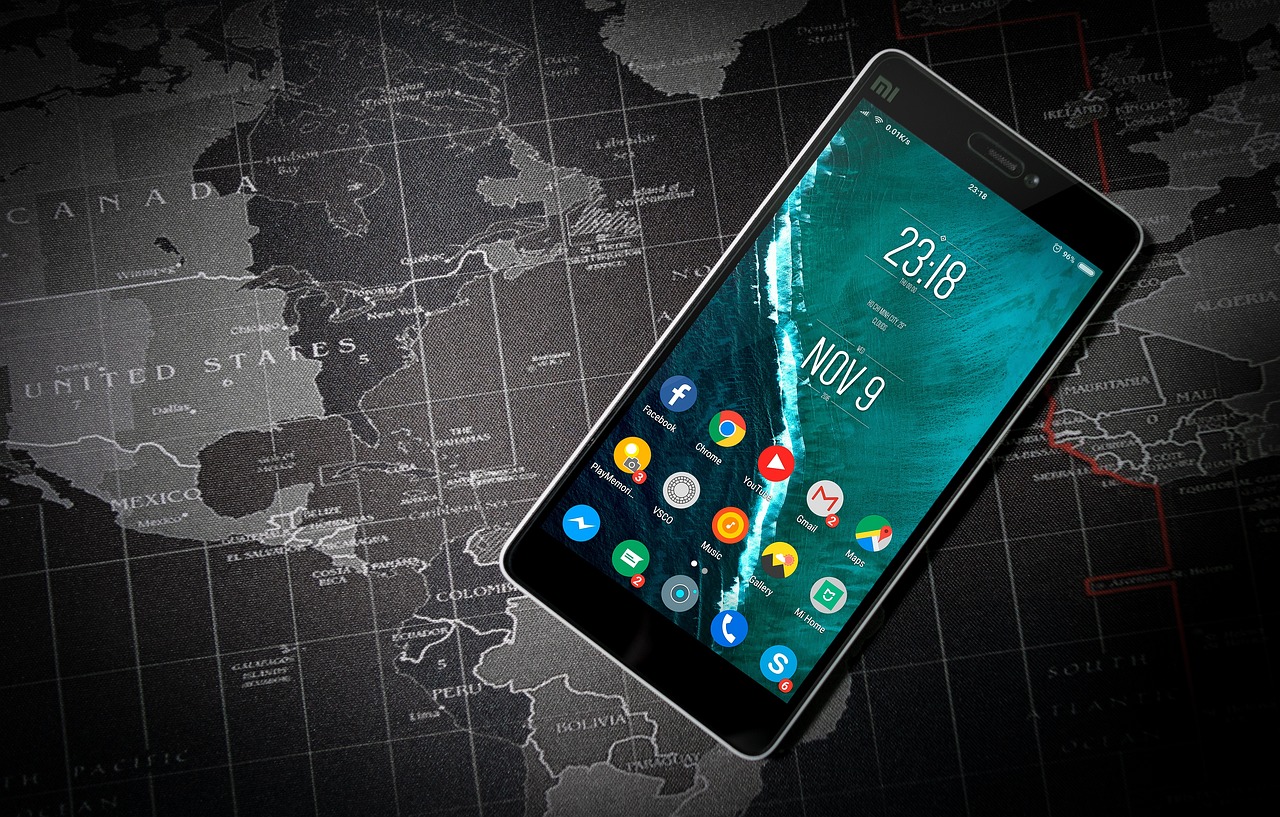
 The iPhone doesn’t offer program design for Comcast email, which makes the way toward including your account somewhat confounding; and on the off chance that you’ve effectively taken a stab at setting up your email to your gadget, it may not work appropriately if the wrong information is entered. To cure this, you can utilize a couple of alternatives to get Comcast email on your iPhone: introduce apps such as “Xfinity Connect,” or manually configure your email account in the Mail application utilizing Comcast’s particular server and port settings.
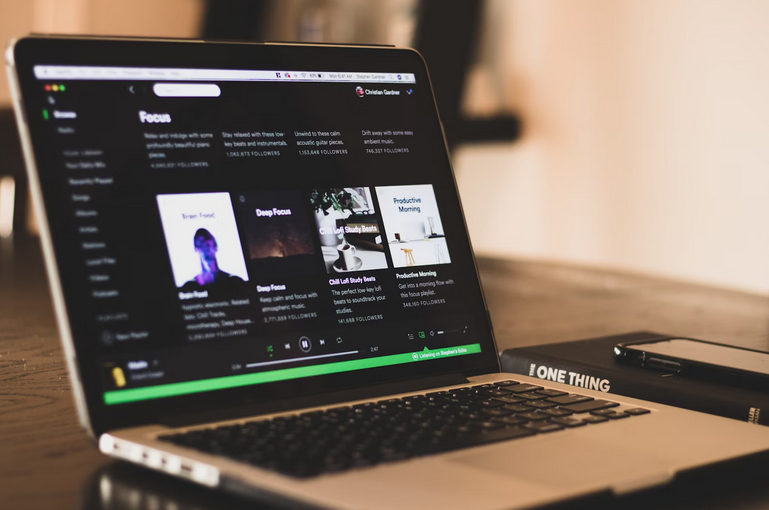
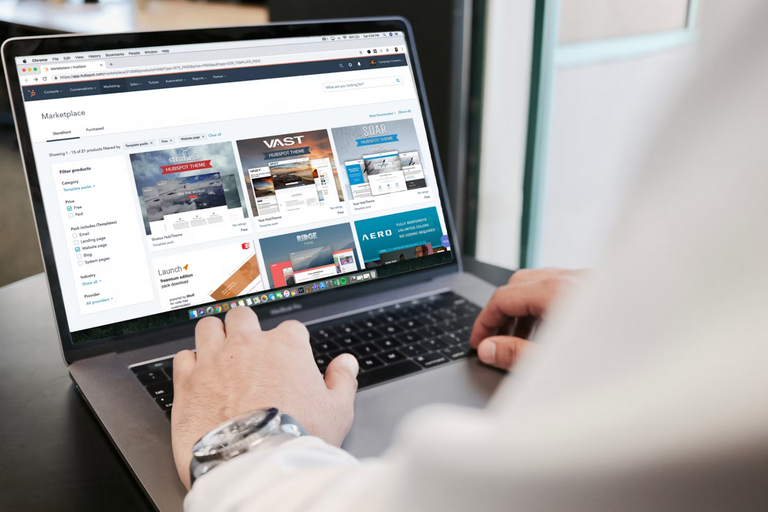
 There are just two things you’ll have to know early keeping in mind the end goal to set up your Comcast email in your laptop – your comcast.net email address and the secret key connected with that account. If you know those two things, you’re prepared to go to. Open Mail by tapping the “Start” catch and after that selecting All apps. Scroll down to the M segment and select Mail. Once in the mail section, go to the settings segment. The first is to include an Account name.





 This is especially important if you are buying a desktop computer. Every desktop comes with a power supply unit or PSU with different ratings. The PSU’s are usually made to fulfill a range of operations. For example, for a good gaming PC, the PSU’s rating should be at least 400 watts and above. This ensures that all the necessary peripherals such as premium graphics cards and sound cards are supplied with sufficient power. If you are looking for an office PC to do simple office tasks such as editing documents and sending emails, ensure that your PSU has a lower rating of about 150 watts to save the electric bill.